The more you create, the harder it gets to stay organized. We heard you.
Projects and Folders are now inside OpenArt - so every image, generation, and creative asset has a home.
Structure your workspace by client, by campaign, by vibe.
Keep your best work accessible, your process tight, and your creative output moving faster than ever.
David Fincher made an unusual call on the set of The Social Network, one that broke convention but ultimately defined the entire film.
After casting was finalized, Fincher reportedly forbade his principal actors from meeting their real-life counterparts until filming had wrapped. Jesse Eisenberg, who had been cast to play Mark Zuckerberg, had originally planned to meet the Facebook founder in person to study him directly. According to reports, producer Scott Rudin blocked the meeting “on behalf of Sony’s lawyers,” and Fincher’s rule kept the door closed long after.
The result was a performance that stood entirely on its own. Eisenberg, who has spoken publicly about being diagnosed with OCD, later said one of the hardest parts of the role was deliberately behaving in ways he had fought against in his own personality his entire life. The portrayal became iconic, but it came at a personal cost. Over time, Eisenberg grew so uncomfortable with being associated with Zuckerberg’s legacy that he reportedly declined to return for the 2026 sequel, The Social Reckoning.
The business lesson sits underneath the story. Fincher understood something most leaders never grasp: too much reference flattens the output. By restricting his actors’ inputs, he forced them to build characters from scratch rather than mimic real people.
The same principle applies far beyond film. Information isn’t always an advantage. Sometimes the real edge comes from what you deliberately choose not to know.
This visualization shows water freezing at the molecular level. On one side, liquid water molecules move constantly, with hydrogen bonds breaking and reforming millions of times every second. On the other, those same molecules begin locking into a stable crystalline structure as the temperature drops, forming the organized hexagonal lattice we recognize as ice.
What makes this process so unusual is that the crystal structure contains extra empty space between molecules. Because of that spacing, ice is actually less dense than liquid water—which is why it floats instead of sinking. It’s one of the rare substances where the solid form takes up more space than the liquid it came from.
The transition from liquid chaos to solid order is driven by a balance between energy and entropy. As water cools, molecular motion slows down enough for the hydrogen-bond lattice to become more stable than the constantly shifting liquid state. A simple glass of ice water is actually a remarkable example of physics and molecular chemistry in action. ❄️
Bikini Bottom, but make it main character energy. ✨🧽 Which room was your favorite? 🏠🐚
AI magic powered by @openart_ai 🎨✨
#OpenArt #SpongeBob #AIArt #Transition #BikiniBottom
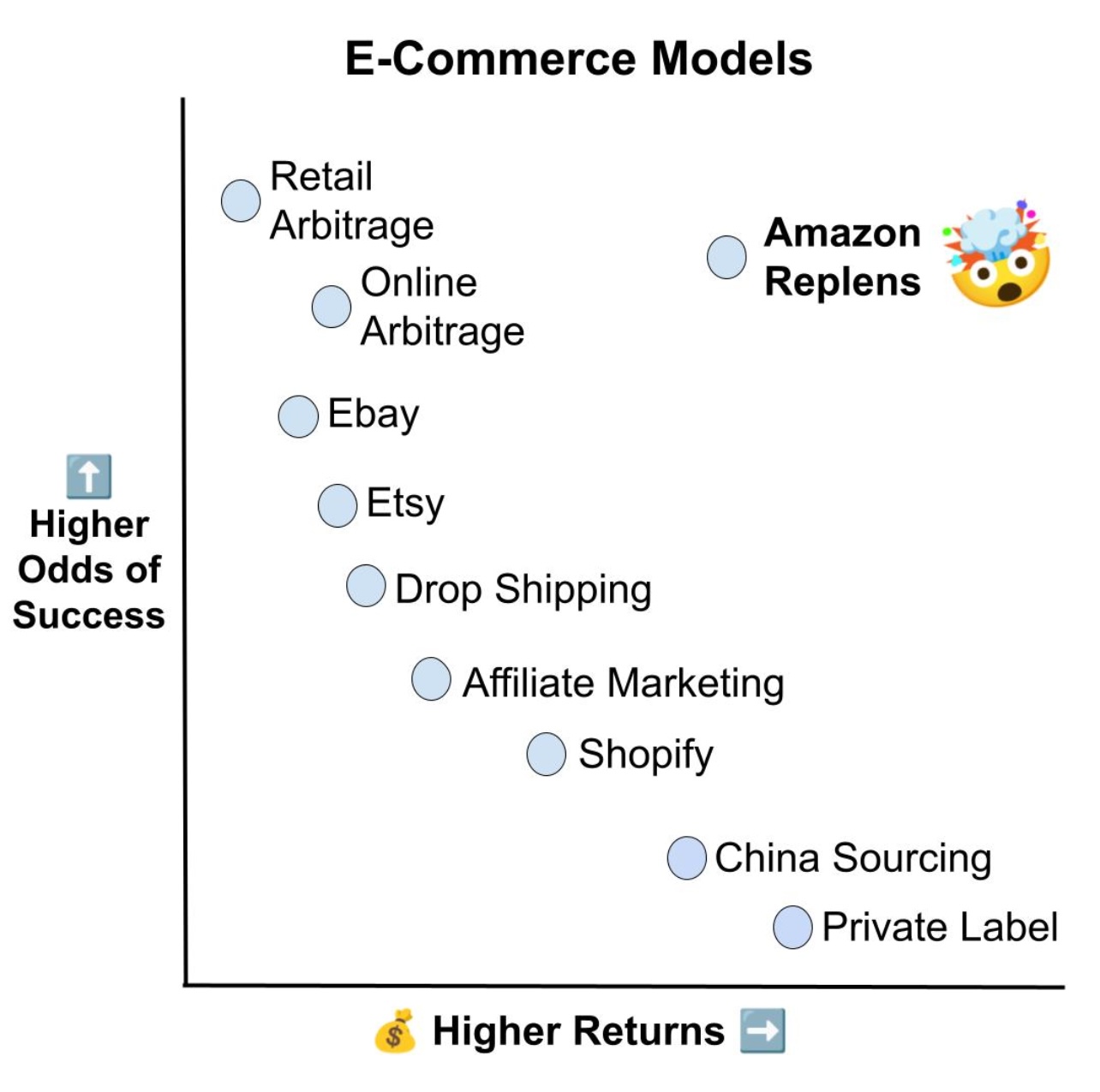
1️⃣ Digital Products: Sell your own digital product. Or help businesses grow with content + funnels + strategy. Short form content → clear CTA → simple checkout.
2️⃣ Affiliate Marketing: Promote digital offers that already convert. Someone clicks your link and buys, you get paid. This is how I started. You can collect emails… which is everything for long-term income.
3️⃣ TikTok Shop: Find trending products. Check the sales, reviews, and commissions. Make short videos. Earn every time someone buys. No inventory. No shipping. TikTok does the heavy lifting.
I started with zero followers. Zero skills. Zero product.
It didn’t happen overnight. I failed in so many business ventures until I found what works for me.
It’s a simple process once you learn the skills!
Say “CLASS” for my free training on how to use AI to build an automated business on Instagram.
Climate change is accelerating global warming at a pace faster than many natural climate changes recorded in Earth’s history. Rising greenhouse gas emissions are increasing global temperatures, warming the oceans, and melting glaciers and polar ice—contributing directly to rising sea levels around the world.
These changes are also intensifying extreme weather events, including stronger hurricanes, longer droughts, more destructive wildfires, and unpredictable flooding. Beyond weather alone, climate change threatens ecosystems, disrupts agriculture and food production, and increases water insecurity for millions of people.
What makes this challenge so significant is how interconnected everything becomes: oceans, forests, cities, wildlife, and human societies are all affected by the same changing climate system. 🌍
Thousands of aircraft sit parked in the deserts of Arizona—not because they’re obsolete, but because they still hold strategic value. Facilities like the 309th Aerospace Maintenance and Regeneration Group preserve retired military aircraft in dry desert conditions where low humidity dramatically slows corrosion and deterioration.
Many of these planes serve as future spare-part sources for active fleets, while others remain capable of reactivation if needed during emergencies or wartime. Storing aircraft this way is often far cheaper than building replacements from scratch, turning the desert into a massive long-term reserve of military and logistical capability.
What looks like a graveyard is actually a system of preservation and readiness at enormous scale. It’s a reminder that in aviation and defense, value doesn’t disappear when an asset stops operating—sometimes it simply waits for the right moment to return. ✈️